Monday, January 2, 2012

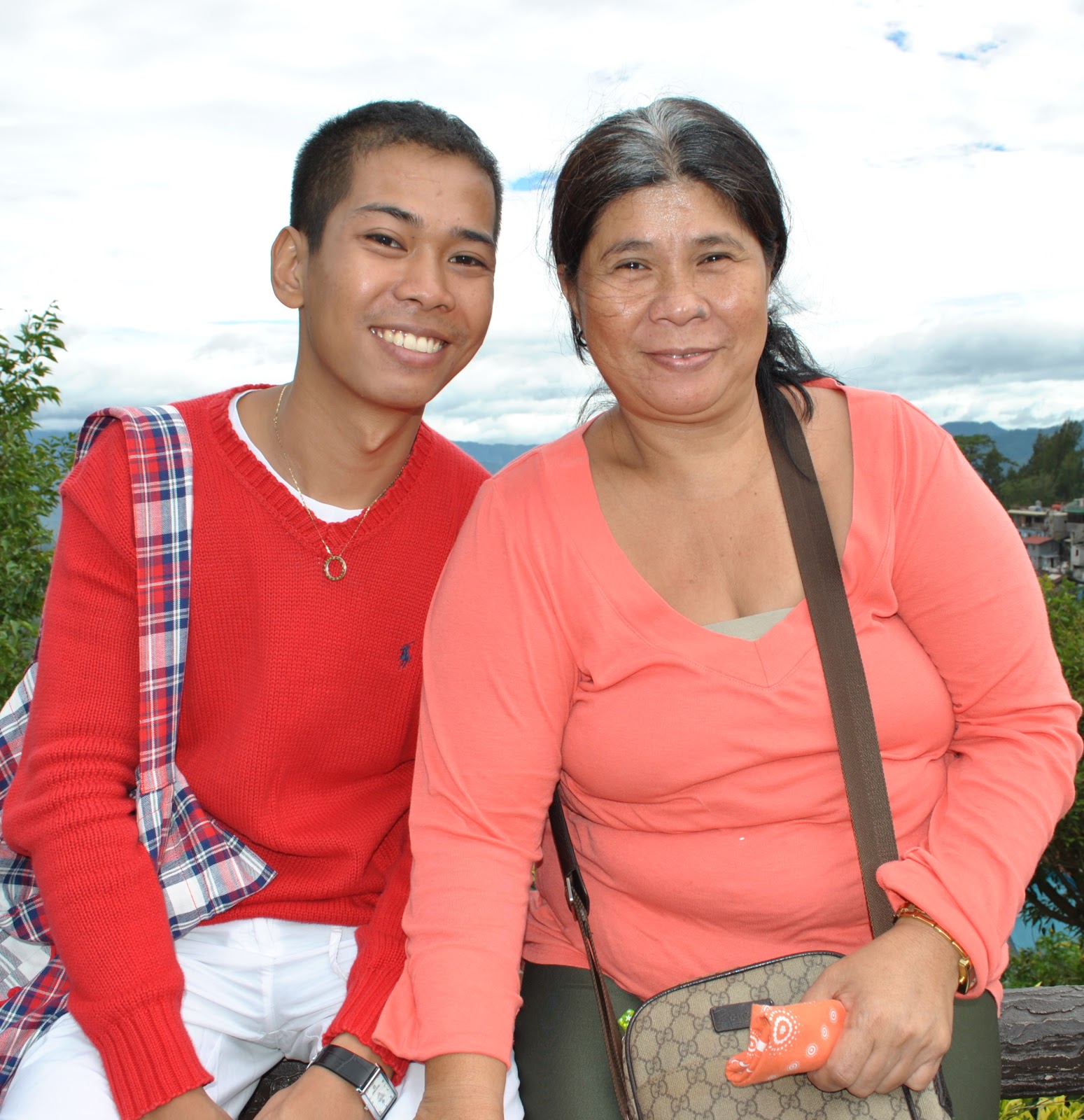
Baguio City, Philippines Dec'10


Holiday with the whole family last year Dec'10 right before i celebrate my 26th.


The City of Baguio (Ilokano: Ciudad ti Baguio; Filipino: Lungsod ng Baguio) is a highly urbanized city located in northern Luzon island in the Philippines. The city has become the center of business and commerce as well as the center of education in the entire Northern Luzon thereby becoming the seat of government of the Cordillera Administrative Region.[1] According to the 2007 census, Baguio City has a population of 301,926.[2]
Baguio City was established by Americans in 1900 at the site of an Ibaloi village known as Kafagway. The name of the city is derived from the word bagiw in Ibaloi, the indigenous language of the Benguet Region, meaning 'moss'. The city is at an altitude of approximately 1,500 metres (4,900 ft) in the Luzon tropical pine forests ecoregion conducive to the growth of mossy plants and orchids.
Because of its altitude, Baguio City was designated by the Philippine Commission as the Summer Capital of the Philippines on June 1, 1903. It was incorporated as a chartered city by the Philippine Assembly on September 1, 1909, as authored by former Philippines Supreme Court Justice George A. Malcolm. The City of Baguio celebrated its Centennial last September 1, 2009.




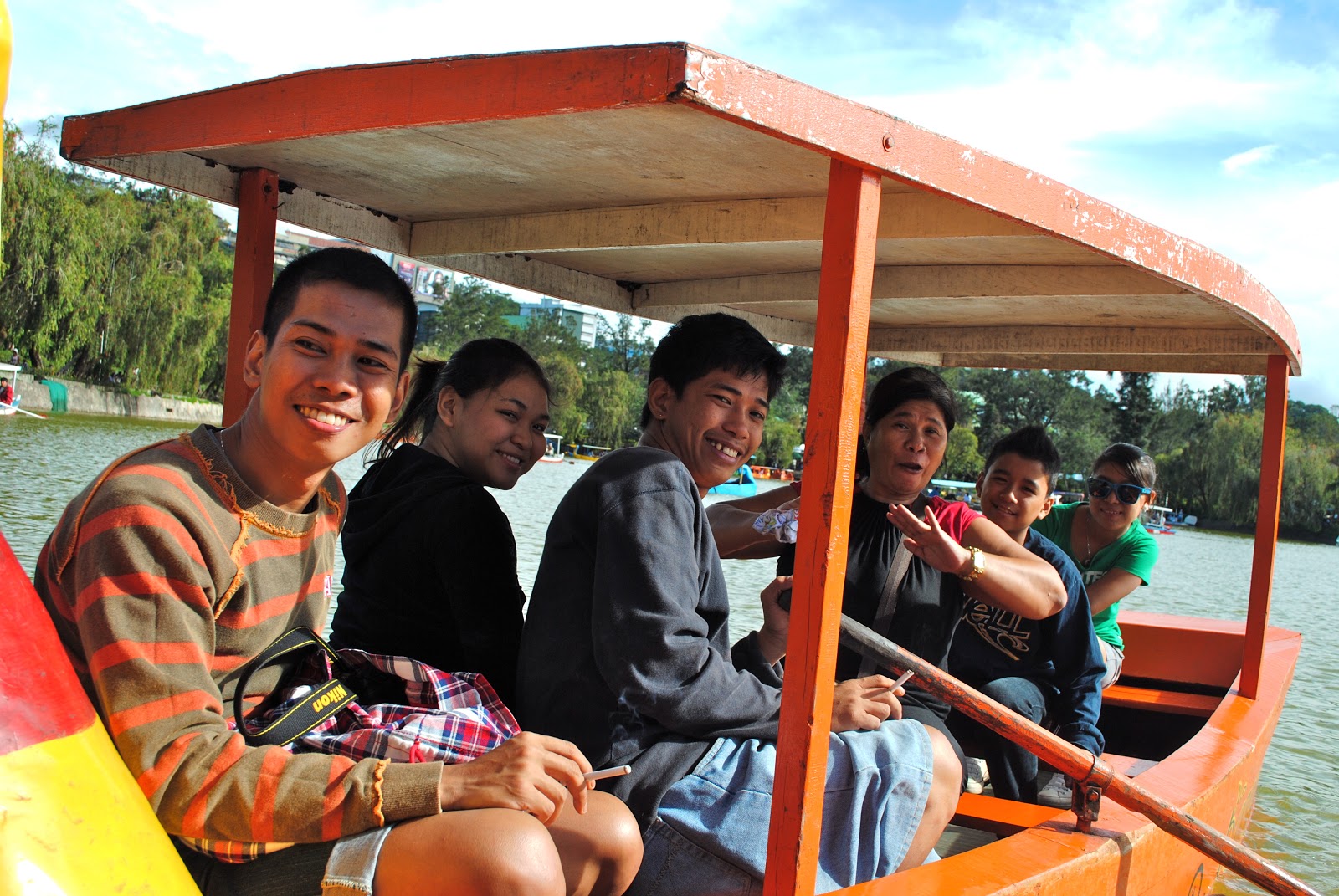


Palawan, Philippines Apr'09


Palawan is an island province of the Philippines located in the MIMAROPA region or Region 4. Its capital is Puerto Princesa City, and it is the largest province in the country in terms of total area of jurisdiction. The islands of Palawan stretch from Mindoro in the northeast to Borneo in the southwest. It lies between the South China Sea and the Sulu Sea. The province is named after its largest island, Palawan Island (09°30′N 118°30′E), measuring 450 kilometres (280 mi) long, and 50 kilometres (31 mi) wide.[3][4]
Palawan is composed of the long and narrow Palawan Island, plus a number of other smaller islands surrounding the main island. TheCalamianes Group of Islands, to the northeast consists of Busuanga Island, Culion Island, and Coron Island. Durangan Island almost touches the westernmost part of Palawan Island, while Balabac Island is located off the southern tip, separated from Borneo by theBalabac Strait. In addition, Palawan covers the Cuyo Islands in the Sulu Sea. The disputed Spratly Islands, located a few hundred kilometres to the west is considered part of Palawan by the Philippines, and is locally called the Kalayaan Group of Islands.
Palawan's almost 2,000 kilometres (1,200 mi) of irregular coastline are dotted with roughly 1,780 islands and islets, rocky coves, and sugar-white sandy beaches. It also harbors a vast stretch of virgin forests that carpet its chain of mountain ranges. The mountain heights average 3,500 feet (1,100 m) in altitude, with the highest peak rising to 6,843 feet (2,086 m)[4] at Mount Mantalingahan. The vast mountain areas are the source of valuable timber. The terrain is a mix of coastal plain, craggy foothills, valley deltas, and heavy forest interspersed with riverine arteries that serve as irrigation.


Ilocos, Philippines Apr'09


Ilocos collectively refers to two provinces in the Philippines: Ilocos Norte and Ilocos Sur. Inhabitants are called Ilocanos and they speak the language Iloko, also called Ilocano.
The Ilocos Region, containing four provinces, is named after Ilocos. 28% of the inhabitants of the region are Pangasinan people, who belong to a different ethnolinguistic group from the Ilocanos.
In the 330 pages “The Ilocos Heritage” (the 27th book written by Visitacion de la Torre), the Ilocano legacy and the life of the Ilocano – are described as - "the browbeaten, industrious, cheerful, simple soul who has shown a remarkable strain of bravery and a bit of wanderlust." The Ilocano history reveals his struggles and victories – in battles for colonial independence from Spain and America, to Philippine leadership. The new Ilocano searched for greener pastures towards new lands local and foreign - Palawan, Mindanao, Hawaii, the United States andGreece. The Ilocano material culture and spirituality can be seen in the past - images of Spanish santo (saints), antique but intricate wooden furniture and quality local fiber. The native Ilocano is a weaver, wood carver and pottery expert. The Ilocano cuisine – ranges from the exotic "abu-os" (ant eggs) to vegetable broth "dinengdeng," the sticky "tinubong" to the "poqui-poqui" (eggplant salad). Ilocandia is filled with colonial churches, the legacy of Spanish Catholicism.