Bohol is an island province of the Philippines located in the Central Visayas region, consisting of Bohol Island and 75 minor surrounding islands.[1] Its capital is Tagbilaran City. With a land area of 4,117.26 square kilometres (1,589.68 sq mi) and a coastline 261 kilometres (162 mi) long, Bohol is the tenth largest island of the Philippines.[2] To the west of Bohol is Cebu, to the northeast is the island of Leyte and to the south, across the Bohol Sea is Mindanao.
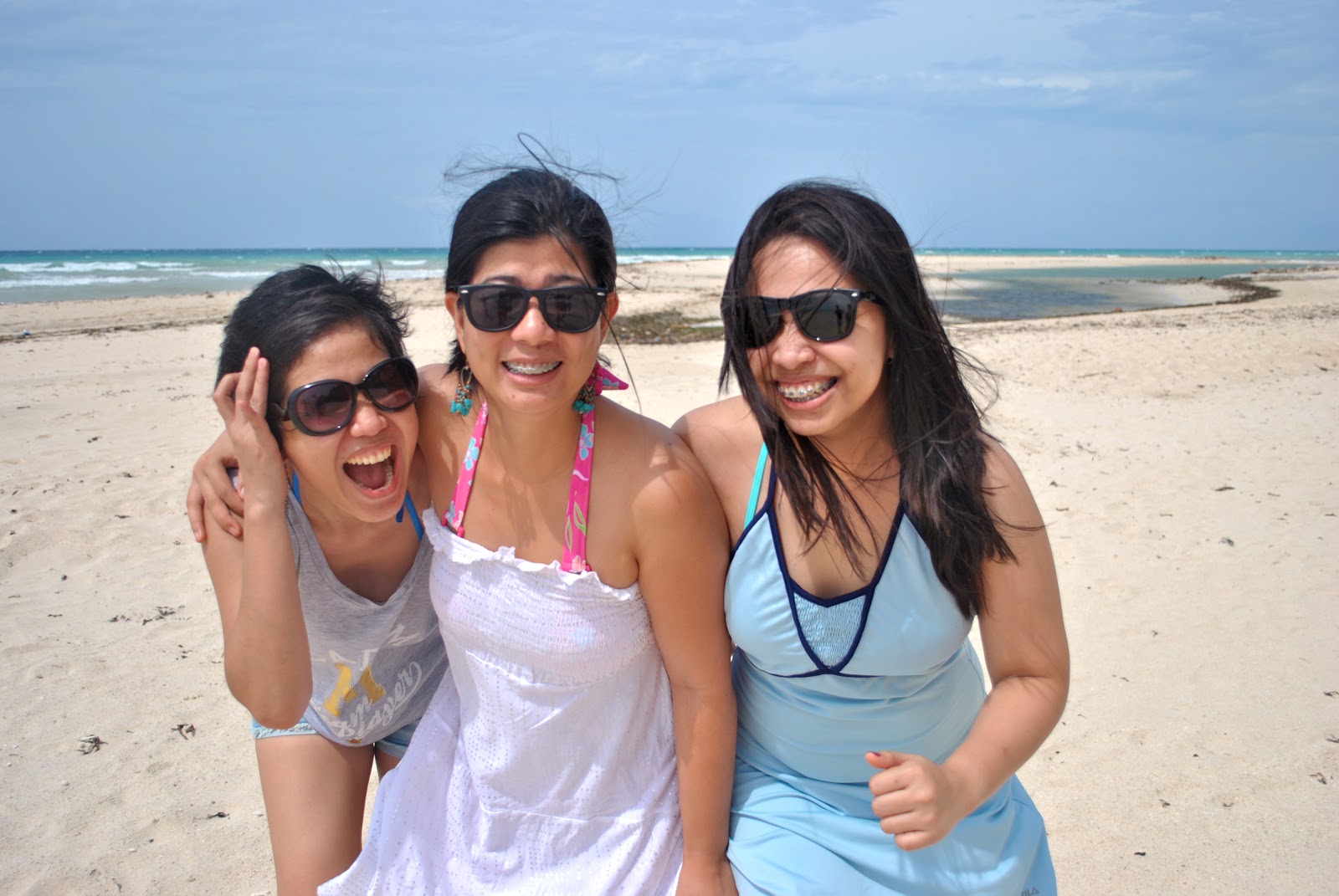
The province is a popular tourist destination with its beaches and resorts.[3] The Chocolate Hills, numerous mounds of limestoneformation, is the most popular attraction. Panglao Island, located just southwest of Tagbilaran City, is famous for its diving locations and routinely listed as one of the top ten diving locations in the world. Numerous tourist resorts dot the southern beaches and cater to divers from around the world. The Philippine Tarsier, considered the second-smallest primate in the world, is indigenous to the island.
Boholanos refer to their island homeland as the "Republic of Bohol" with both conviction and pride.[4] A narrow strait separates the island of Cebu and Bohol and both share a common language, but the Boholanos retain a conscious distinction from the Cebuanos. Bohol's climate is generally dry, with maximum rainfall between the months of June and October. The interior is cooler than the coast.
It is the home province of Carlos P. Garcia, the eighth president of the Republic of the Philippines (1957–1961) who was born inTalibon, Bohol.